Middle Eastern Music Grup muzical & Cântăreţ Listă

The various nations of the region include the Arabic-speaking countries of the Middle East, the traditional Persian ritual music, the Jewish music of Israel and the diaspora, Kurdish music, Armenian music. Azeri Music, the varied traditions of Cypriot music, the Turkish music of Turkey, traditional Assyrian music, Coptic ritual music in Egypt as well as other genres of Egyptian music in general. It is widely regarded that some Middle-Eastern musical styles have influenced Central Asia, as well as the Balkans and Spain.
Throughout the region, religion has been a common factor in uniting peoples of different languages, cultures and nations. The predominance of Islam allowed a great deal of Arabic, and Byzantine influence to spread through the region rapidly from the 7th century onward. The Arabic scale is strongly melodic, often Phrygian Dominant and based on various maqamat (sing. maqam) or modes (also known as makam in Turkish music). The early Arabs translated and developed Greek texts and works of music and mastered the musical theory of the music of ancient Greece (i.e. Systema ametabolon, enharmonium, chromatikon, diatonon). This is similar to the dastgah of Persian music. While this originates with classical music, the modal system has filtered down into folk, liturgical and even popular music, with influence from the West. Unlike much western music, Arabic music includes quarter tones halfway between notes, often through the use of stringed instruments (like the oud) or the human voice. Further distinguishing characteristics of Middle Eastern and North African music include very complex rhythmic structures, generally tense vocal tone, and a monophonic texture. Traditional Middle Eastern music does not use chords, or harmony in the Western sense.
Often, more traditional Middle-Eastern music can last from one to three hours in length, building up to anxiously awaited, and much applauded climaxes, or tarab, derived from the Arabic term طرب tarraba.
Citește mai mult...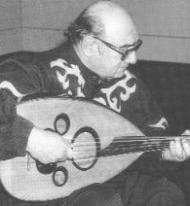
Reguli de Vot
- Puteți vota în sus sau în jos. Vă rugăm să ia în considerare întotdeauna contextul în care vot, de exemplu, un cântec ar trebui să fie votat în sus sau în jos cu privire la alte melodii incluse pe album, performanța unui actor în comparație cu alți actori din acelasi film, o carte cu privire la alte cărți de același autor sau în același gen.
- Un vot poate fi anulată printr-un simplu clic pe votul opus în termen de 24 de ore. Puteți vota apoi din nou pe același element.
- Fiecare utilizator are un vot pentru fiecare element într-o listă specifică la fiecare 24 de ore. După 24 de ore se poate vota din nou pe același element în aceeași listă.
- Puteți vota la cât mai multe elemente cum vă place într-o listă sau pe același articol în cazul în care este parte din altă listă. De exemplu, puteți vota David Bowie în sus sau în jos pe lista de artiști de muzică pop, precum și pe lista artiștilor de indie rock și pe lista de muzica rock artiști, etc
- Votul fericit!